TikTok Spark Ads: The Complete Guide (What They Are, Cost & How They Work)

TikTok Spark Ads searches are up 39% year over year, and for good reason: they're the single highest-performing ad format the platform offers. If you're running TikTok campaigns and still relying only on standard In-Feed Ads, you're leaving a documented, TikTok-verified performance gap on the table.
This guide covers exactly what Spark Ads are, how they differ from regular TikTok ads, the real data behind why they outperform, how to actually get and use a Spark Ads code as a brand, what they cost, and how to keep a steady supply of Spark-ready content without burning out your creative team.
In a hurry? Generate Spark Ad-ready video with Reloop's AI Agent.
What are TikTok Spark Ads?
TikTok Spark Ads are a native ad format that let you promote an existing organic TikTok post, either your own brand's video or a creator's, directly as a paid ad, while keeping every bit of its organic engagement intact. The likes, comments, shares, and follower growth generated by the ad all flow back to the original post, not to a disconnected ad unit that disappears when the campaign ends.
That's the core distinction that separates Spark Ads from nearly every other paid social format: you're not building a new asset from scratch and hoping it performs. You're taking something that's already proven itself organically, or that's built with the same native visual language, and putting media spend behind it.
How Spark Ads differ from regular TikTok ads
Standard In-Feed Ads are built as dedicated ad creative, uploaded directly into TikTok Ads Manager with no organic history attached. They look like ads because, structurally, they are ads. Spark Ads, by contrast, inherit an existing post's identity, caption, comments, and engagement history.
| Standard In-Feed Ads | Spark Ads | |
|---|---|---|
| Built from | New ad creative | An existing TikTok post |
| Comments and shares | Reset per ad | Carry over from the original post |
| Feels native to the feed | Often reads as an ad | Looks like organic content |
| Can use creator content | Requires new production | Boosts what a creator already posted |
| Requires an authorization code | No | (if using someone else's post) |
| Typical completion rate | Baseline | Up to 134% higher |
The data: why Spark Ads outperform
This isn't a marginal edge. According to TikTok's own Spark Ads documentation, Spark Ads deliver a 134% higher completion rate and a 157% higher 6-second view-through rate than standard In-Feed Ads, along with 69% higher conversion and 37% lower cost per acquisition through TikTok's profile landing page format.
Inside TikTok Shop specifically, the lift is just as clear. TikTok's Spark Ads documentation for Video Shopping Ads reports a 30% higher completion rate, 142% higher engagement rate, 43% higher conversion rate, and 4% lower CPM compared to non-Spark formats.
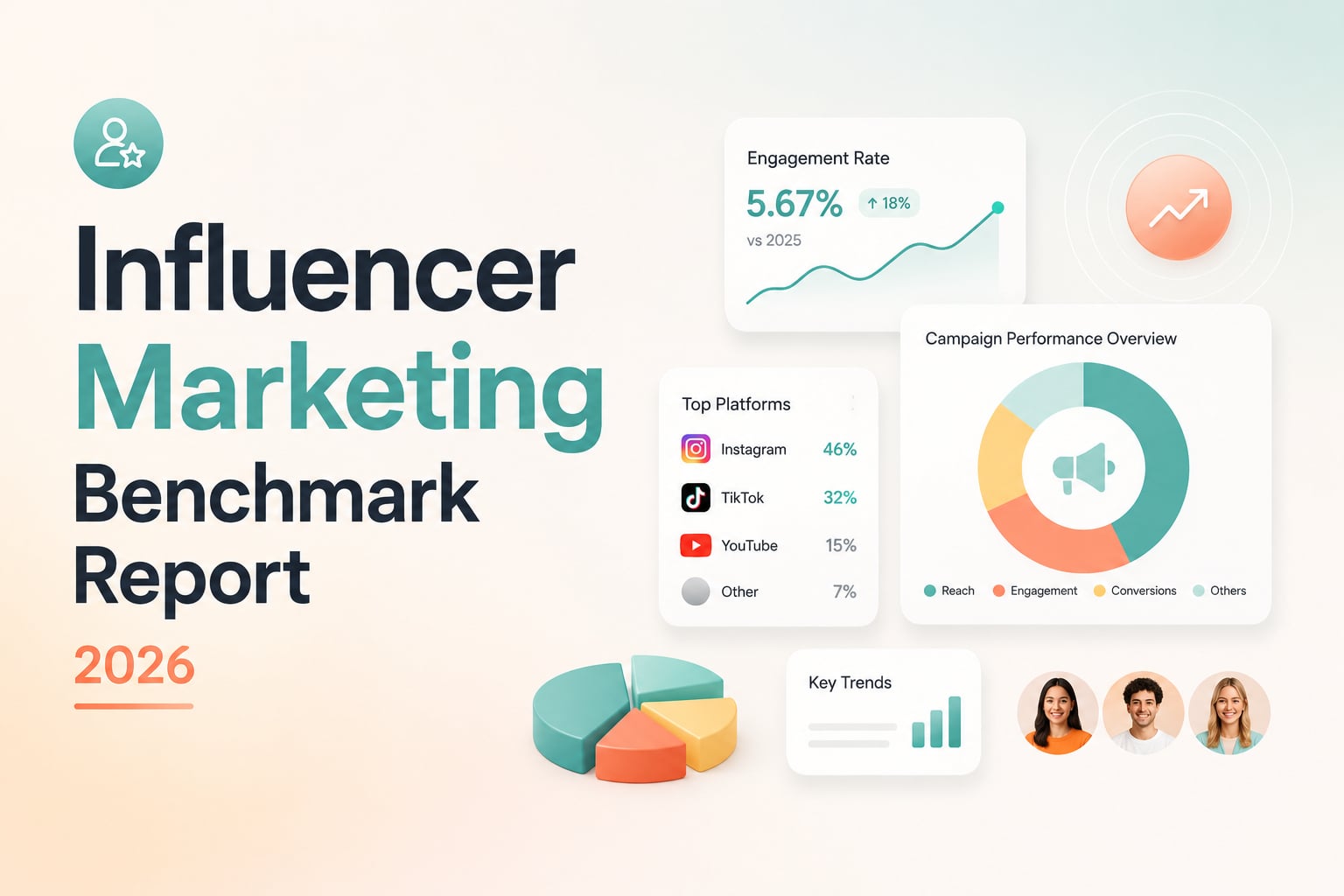

That performance gap is also showing up in where budgets are actually going. Influencer Marketing Hub's 2026 benchmark survey of 600+ marketers found TikTok is the single most frequently selected platform for influencer investment, chosen by 31% of respondents, more than double Instagram's share. Among brands already running social commerce, TikTok Shop alone accounts for 66% of platform selections. Spark Ads sit inside that TikTok-first budget shift as one of the clearest ways to convert that organic momentum into paid reach.
How to get a TikTok Spark Ads code (as a brand)
If you want to run someone else's post, whether a creator you're partnering with or your own organic content posted from a personal account, you need a Spark Ads authorization code. Here's the process, straight from TikTok's own creation guide:
One detail worth knowing before you request a batch of codes: once a code expires, it cannot be reactivated. The creator has to generate a brand new one, and any ads already running on the expired code stop delivering immediately. If you're planning a longer campaign, request the 365-day duration up front rather than the 30-day default, it saves a round of re-authorization later.

How to create a Spark Ad in TikTok Ads Manager
Once you have a code, or you're using your own linked account, creating the ad itself follows a straightforward pull-or-push flow. TikTok's own step-by-step guide breaks it down like this:
- Log into TikTok Ads Manager and go to the Campaign tab
- Click +Create, select your advertising objective, and complete campaign and ad group settings
- In the Ad creatives section, choose + Add videos or images
- Select the TikTok Posts tab, choose the post you want to use, and click Confirm
- If using someone else's authorized post, click Add post and paste the video code, you can batch authorize up to 20 codes at a time
- Complete your ad details, destination, and tracking, then click Publish all
A couple of constraints worth planning around: each TikTok Ads Manager account supports a maximum of 10,000 Spark Ads, and once a post is authorized as an ad, you can't edit its caption anymore. Get the caption right before you submit. If you're running Smart+ campaigns specifically rather than manual or search campaigns, TikTok's Smart+ Spark Ads guide covers a few extra steps, including how to authorize dual-creator posts like Duets and Stitches.
What TikTok Spark Ads cost
Spark Ads run through the same budget structure as every other TikTok ad format. According to Shopify's 2026 guide for sellers, campaigns require a $50 minimum daily budget, with a $20 minimum at the ad group level. Average US TikTok CPM sits around $6.21, with an average cost per link click of 31 cents.
Because Spark Ads inherit engagement from a post that's already proving itself, they typically post lower CPMs than freshly produced In-Feed creative, which compounds on top of the conversion lift already covered above. If you're comparing a Spark Ads budget against booking creators directly for one-off UGC, our  UGC creator cost vs. AI breakdown runs those numbers side by side.
AI Ad Script Generator
Generate an AI ad video script from any product URL.
Try generating a script above, styled for the kind of direct, subtitle-driven hook that performs well once it's turned into a Spark Ad.
Spark Ads vs. whitelisting vs. regular boosting
These three terms get used almost interchangeably, and the mix-up causes real confusion when you're trying to plan a campaign.
Whitelisting (also called allowlisting) is the broader practice of a creator granting a brand permission to run ads through the creator's own account identity, sometimes extending to letting the brand target and edit settings as if it were their own page. Spark Ads specifically is TikTok's native mechanism for doing a narrower version of this: boosting one specific authorized post, without needing account-level access.
Regular boosting, TikTok's "Promote" feature, is different again, it's a simplified, self-serve way to put a small amount of paid spend behind your own post directly from the TikTok app, with far less targeting control than a full Spark Ads campaign built in Ads Manager.
For most brand campaigns, Spark Ads is the right tool: it gets you the performance lift of native, engagement-carrying content without needing full account access to a creator's profile.
That unpolished, subtitle-driven, direct-to-camera format is exactly what tends to perform best once it's running as a Spark Ad. It doesn't read as an ad because it wasn't built like one.

Real examples of Spark Ads done well
One case TikTok highlights directly: a beauty brand took creator testimonials that had already gone organically viral and ran them as Spark Ads instead of producing new campaign creative. The result was a 500% return on ad spend and 45 million video views, driven entirely by content that had already proven itself before any media budget touched it.
That's the pattern worth copying, not chasing a single viral hit, but identifying content that's already resonating organically (yours or a creator's) and putting structured, ongoing spend behind it rather than treating Spark Ads as a one-off boost button.
Why authentic-feeling content still wins, even with AI in the mix
Here's a nuance worth being honest about. Digiday's reporting on the 2026 creator economy found that only 26% of consumers now prefer fully AI-generated creator content over traditional creator content, down sharply from 60% in 2023. Audiences are getting better at spotting content that reads as synthetic, and they're pulling back from it.
But that finding is about content that looks artificial, not about the format itself. What's actually losing ground is polish that reads as fake, not the direct-to-camera, subtitle-driven, slightly rough style that Spark Ads reward. That distinction matters if you're building a content pipeline: the goal isn't to hide that a video was made efficiently, it's to make sure it still holds the visual language real creators built, regardless of how it was produced.
Building Spark-ready content without booking a creator for every variation
This is the practical bottleneck most teams hit: Spark Ads reward volume and native feel, but filming, editing, and captioning enough raw content to actually test at that pace is hard for a small team to sustain.
Reloop's AI Agent closes that gap directly. Drop in a product URL, and it pulls descriptions, pricing, and reviews from the page, writes hooks and scripts, picks an avatar, and assembles a finished, subtitle-driven video ready to post organically first, then pull into TikTok Ads Manager as a Spark Ad once it's live.
If you want a consistent, recognizable face across every video without re-booking a creator each time, Custom Avatar builds a digital twin from a single photo and clones your voice from a short sample, fully licensed for commercial use across every ad platform, TikTok included. For teams that want a spokesperson without using their own face at all, the Talking Avatar library offers 700+ options across 30+ languages, useful if you're running Spark Ads internationally and need the post to feel native in each market, not translated.

Once you have raw footage, whether filmed or AI-generated, Reloop's Video Editor handles word-level auto-captions, transitions, and music, then exports at 9:16, ready to post organically and authorize as a Spark Ad. Every account starts with 400 free credits to test the workflow before committing to a plan.

A launch checklist for your first Spark Ads campaign
For more on writing the hooks and scripts that hold attention in a Spark Ad's first few seconds, our  hook rate benchmarks guide breaks down what a strong opening actually looks like in 2026.
Spark Ads reward brands that treat organic and paid as one continuous pipeline, not two separate teams working from separate briefs. The brands seeing the 130%+ completion rate lift aren't the ones with the biggest production budgets, they're the ones producing fast, native-feeling content and putting structured spend behind whatever's already working.